
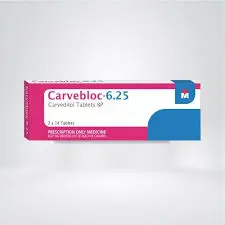
Carvebloc-6.25 (Carvedilol) Tamar & Pharez
What Is Carvedilol 6.25mg?
Carvedilol 6.25mg is a prescription medication belonging to a group of drugs called alpha and beta-blockers. It works on the heart and blood vessels to reduce blood pressure, improve heart function, and lower the risk of serious heart-related complications. It is commonly prescribed for people living with high blood pressure, heart failure, or those recovering from a heart attack.
Unlike standard beta-blockers, carvedilol blocks both alpha-1 and beta receptors, giving it a dual action that makes it particularly effective for heart conditions alongside blood pressure management.
What Is Carvedilol 6.25mg Used For?
For High Blood Pressure (Hypertension): Carvedilol relaxes and widens the blood vessels while also slowing the heart rate, making it easier for the heart to pump blood around the body. This brings blood pressure down to safer levels and reduces the strain on the heart.
For Heart Failure: In people whose heart is not pumping as efficiently as it should, carvedilol helps the heart work better over time. It is used alongside other heart failure medications such as ACE inhibitors and diuretics to improve symptoms, quality of life, and long-term survival.
After a Heart Attack (Left Ventricular Dysfunction): Carvedilol is prescribed after a heart attack to protect the heart, prevent further damage, and improve its pumping function, particularly in patients whose heart muscle has been weakened.
How Does Carvedilol 6.25mg Work?
Carvedilol works by blocking alpha-1 receptors in the blood vessel walls, causing them to relax and widen — this lowers blood pressure. At the same time, it blocks beta-1 and beta-2 receptors in the heart, slowing the heart rate and reducing the force of each heartbeat. Together, these two actions ease the workload on the heart and improve circulation. Carvedilol also has antioxidant properties that may offer additional protection to heart tissue.
Dosage & How to Take It
The standard starting dose is 6.25mg twice daily, taken with food to reduce the risk of dizziness or low blood pressure. Your doctor may gradually increase your dose depending on how well you respond to the medication. Always take it exactly as prescribed — do not stop suddenly, as this can cause a rebound effect that may worsen your heart condition or blood pressure. If you miss a dose, take it as soon as you remember, unless it is nearly time for your next dose.
Common Side Effects
Carvedilol is generally well tolerated. Possible side effects include dizziness or light-headedness (especially when standing up), fatigue or tiredness, slow heart rate (bradycardia), weight gain, cold hands and feet, and nausea or stomach upset. These effects are often mild and tend to improve as your body adjusts to the medication.
Seek medical attention immediately if you experience shortness of breath that worsens suddenly, very slow or irregular heartbeat, severe dizziness or fainting, signs of an allergic reaction such as swelling of the face, lips, or throat, or unusual weight gain with swelling in the legs or ankles.
Important Warnings & Precautions
Do not stop taking carvedilol suddenly without your doctor's guidance — the dose must be reduced gradually to avoid a dangerous rebound effect on your heart. Carvedilol may mask some symptoms of low blood sugar (hypoglycaemia), so diabetic patients should monitor their blood sugar levels closely. It may also cause dizziness, particularly at the start of treatment or after a dose increase, so take care when driving or operating machinery. If you are due to have surgery, inform your anaesthetist that you are taking carvedilol.
Carvedilol is not suitable for patients with severe asthma or chronic obstructive pulmonary disease (COPD), as it may trigger or worsen breathing difficulties. It should also be used with caution in patients with liver problems, very slow heart rate, or severe circulation disorders.