
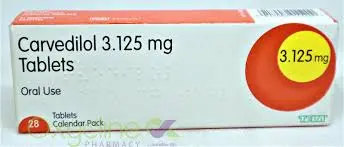
Carvedilol 3.125mg Tablets Teva
What is Carvedilol 3.125mg? Carvedilol 3.125mg is the lowest available strength of Carvedilol — a prescription beta-blocker medication designed to be the safe starting point for patients beginning treatment for heart failure or high blood pressure. Starting at this low dose allows the body to gradually adjust before the doctor considers increasing to higher strengths such as 6.25mg, 12.5mg, or 25mg.
What is it used for? Carvedilol 3.125mg is the first-line starting dose prescribed for:
- Mild to Moderate Chronic Heart Failure — helps the heart function more efficiently and reduces strain
- High Blood Pressure (Hypertension) — gently lowers blood pressure to protect the heart, brain, and kidneys
- Left Ventricular Dysfunction after a Heart Attack — initiated early to support heart muscle recovery
Doctors typically start patients on 3.125mg twice daily, then gradually increase the dose every two weeks depending on how well the patient tolerates it.
How does it work? Carvedilol belongs to a group of medicines called non-selective beta-blockers with alpha-1 blocking activity. At 3.125mg, it gently:
- Slows the heart rate — reducing the heart's oxygen demand
- Relaxes and widens blood vessels — making it easier for the heart to pump blood
- Lowers blood pressure — decreasing the risk of stroke and heart attack
This dual action makes Carvedilol more effective than standard beta-blockers for heart failure management.
How to take Carvedilol 3.125mg
- Take exactly as prescribed by your doctor — do not increase the dose on your own
- Usually taken twice daily (morning and evening) with food to reduce the risk of dizziness and low blood pressure
- Swallow the tablet whole with a full glass of water
- Try to take it at the same times each day to maintain steady levels in your body
- If you miss a dose, take it as soon as you remember — but skip it if it is almost time for your next dose. Never double up
- Do not stop taking suddenly — always speak to your doctor before stopping, as abrupt discontinuation can be harmful
Who is Carvedilol 3.125mg suitable for? This starting dose is most appropriate for:
- ✅ Patients newly diagnosed with heart failure or hypertension starting Carvedilol for the first time
- ✅ Elderly patients or those with low blood pressure who need a cautious introduction to the medication
- ✅ Patients returning to Carvedilol after a break in treatment
- ✅ Those who experienced side effects on higher doses and need to restart at a lower level
Who should NOT take Carvedilol 3.125mg? Do not take this medication if you have:
- Severe or poorly controlled asthma or COPD
- A very slow heart rate (bradycardia — below 50 beats per minute)
- Severe liver disease
- Cardiogenic shock or acute decompensated heart failure needing IV support
- Second or third-degree heart block (unless you have a pacemaker)
- A known allergy to Carvedilol or any ingredient in the tablet
Always give your doctor your full medical history before starting this medication.
Drug Interactions — Tell Your Doctor If You Take:
- Other heart or blood pressure medications (e.g. digoxin, verapamil, diltiazem, amlodipine)
- Insulin or diabetes tablets — Carvedilol can mask the warning signs of low blood sugar
- Antidepressants (e.g. fluoxetine, paroxetine) — may increase Carvedilol levels in the blood
- Rifampicin (antibiotic) — may reduce Carvedilol's effectiveness
- Over-the-counter cold remedies or decongestants containing pseudoephedrine or ephedrine
Common Side Effects Side effects are generally mild at this starter dose and often improve as the body adjusts:
| Side Effect | What to Do |
|---|---|
| Dizziness or lightheadedness | Stand up slowly; take with food |
| Tiredness or fatigue | Usually settles within the first few weeks |
| Slow heartbeat | Monitor your pulse; report to your doctor |
| Low blood pressure | Avoid prolonged standing; stay hydrated |
| Cold hands and feet | Wear warm clothing; let your doctor know |
| Nausea or stomach upset | Taking with food usually helps |
Get immediate medical help if you experience sudden breathlessness, severe dizziness, fainting, chest pain, or swelling of the face, lips, or throat.
Storage Instructions
- Store at room temperature below 30°C
- Keep in a cool, dry place away from direct sunlight and moisture
- Store in the original packaging until ready to use
- Keep out of reach of children and pets
- Do not use after the expiry date printed on the pack or blister strip